Health and Safety Policy — Finchley Skip Hire
Finchley Skip Hire maintains a clear and comprehensive Health and Safety Policy tailored to the needs of a professional rubbish company and skip hire business operating across its service area. This policy sets out management commitment, employee responsibilities and practical controls to reduce harm from waste collection, skip placement, rubbish removal and associated transport activities. The objective is simple: to protect workers, contractors, visitors and the public while delivering efficient waste removal and skip hire services.
 This document applies across all operational locations and vehicle fleets and covers routine tasks such as rubbish collection, bulky waste handling, site clearance and waste management service area activities. It does not replace statutory obligations but summarises how the company will meet or exceed them. Every team member is expected to read, understand and comply with the standards within this policy.
Responsibilities and Management Commitment
The management team provides visible leadership to create a safe working culture. Key duties include risk assessment, allocation of resources, regular safety reviews and ensuring that staff receive appropriate training for skip hire operations and rubbish removal tasks. Supervisors are accountable for daily compliance and must ensure that procedures for vehicle safety, manual handling and site traffic control are followed.
Employee Duties and Competence
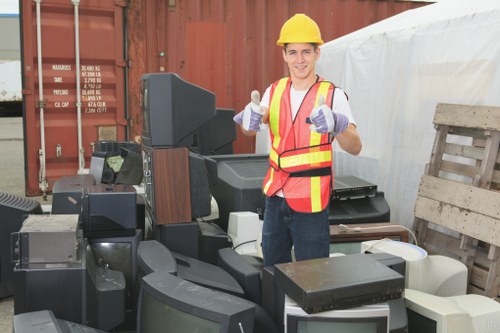
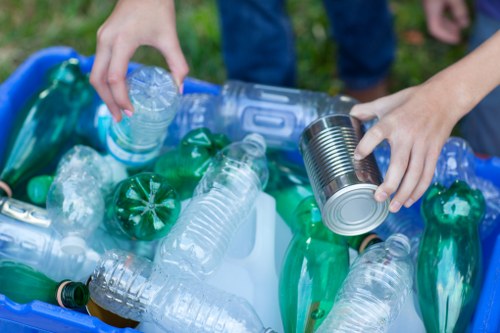
All employees and contractors are required to take reasonable care of their own health and safety and to cooperate with management in implementing safe systems of work. Staff must report hazards, near misses and incidents promptly. Competence is maintained through planned induction, periodic refresher training and competency checks focused on rubbish removal, skip loading/unloading and safe use of lifting equipment. Personal protective equipment (PPE) is supplied and its use is mandatory where risks cannot be eliminated.
Risk Assessment and Control Measures
Formal risk assessments identify hazards associated with vehicle movements, manual handling of waste, sharps and hazardous materials, fire risk, and environmental contamination. Controls are implemented following the hierarchy of risk control: elimination, substitution, engineering controls, administrative controls and PPE. Examples of controls include clear exclusion zones around skips, mechanical aids for heavy lifts, secure load methods for transit, and strict segregation of hazardous waste.
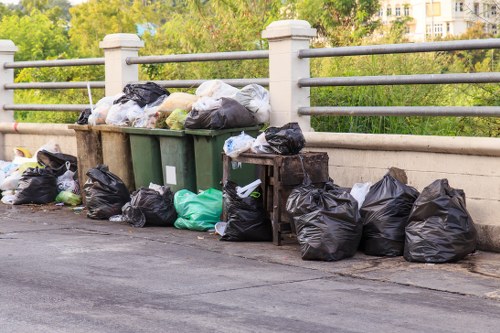 Operational procedures are documented and include safe skip placement, site preparation, permits for vehicle access, and procedures for dealing with asbestos, chemical waste and contaminated materials. When rubbish collection involves potentially hazardous items, work stops until a safe method is agreed and specialist removal arranged.
Vehicle and Traffic Safety
Vehicle safety is central to the skip hire and rubbish company service area operations. All vehicles are maintained to a documented schedule, inspected pre-shift and driven only by qualified operators. Safe loading limits are enforced to prevent overloading, and vehicle routes are planned to minimise reversing and interactions with pedestrians. Drivers receive training in secure load practices, safe access to sites and the use of banksman or spotters where required.
Site Management and Public Safety
When placing skips in public areas or on private property, the company ensures that appropriate barriers, signage and, where necessary, temporary traffic management are in place to protect the public. Skip locations are selected to avoid obstruction of footways, sightlines or emergency access. The company values keeping neighbourhood disruption to a minimum while delivering waste removal and skip hire services.
Incident Reporting, Emergency Response and First Aid
All incidents, injuries and near misses are reported, recorded and investigated to identify root causes and prevent recurrence. Emergency procedures are documented and communicated, including steps for fire, major spillage, chemical exposure and vehicle collisions. Trained first aiders are available on operational shifts and first aid kits are maintained in vehicles and at depots.
Hazardous Waste and Environmental Protection
The company operates strict controls for hazardous waste streams. Staff are trained to recognise, segregate and report hazardous items such as batteries, solvents, asbestos, and medical waste. Spill kits and containment measures are provided to mitigate environmental harm. Waste transfer, storage and disposal follow permitted routes to licensed facilities in line with waste duty of care principles.
Monitoring, Audit and Continuous Improvement
Health and safety performance is monitored through audits, inspections and performance metrics that track incidents, training completion and vehicle maintenance. Feedback from staff and periodic third-party reviews inform continuous improvement. The policy is reviewed at least annually and updated in response to operational changes, new risks or regulatory developments.
Policy Review and Communication
This policy is communicated to all employees, contractors and relevant stakeholders. Changes are posted centrally and explained at team briefings. The document supports lawful, safe and efficient delivery of skip hire, rubbish collection and waste removal services while protecting people and the environment.
Summary of Key Commitments
- Provide leadership and resources for health and safety across the rubbish removal service area.
- Assess risks and apply controls to prevent harm during skip hire and rubbish collection.
- Ensure competence through training, supervision and vehicle maintenance.
- Manage hazardous waste and reduce environmental impact.
- Report, investigate and learn from incidents to drive continual improvement.
The company expects every person involved in waste management, skip hire and rubbish collection activities to contribute to a safe workplace. Together, these measures form a robust framework that balances operational needs with the highest standards of health and safety for employees, customers and the community in the service area.